
Few vegetables disappear from the garden faster than lettuce. Plant an entire bed at once, and you’ll likely harvest more than you can eat before quality begins to decline. A few weeks later, the bed is empty.
I made this mistake for years, and ended up with a ton of food waste. The solution was simple: succession planting. Instead of sowing one large crop, succession planting spreads planting dates throughout the season, giving a steady supply of fresh lettuce without the need to expand my garden. If you want homegrown salads for months instead of weeks, here’s how to make it work.

What Is Succession Sowing?
Succession sowing is the practice of planting at staggered intervals instead of all at once. For lettuce, this means harvesting smaller amounts over a longer period rather than one large crop that matures at the same time. It can also refer to planting a new crop after another has finished producing, helping you make better use of available garden space while reducing food waste.
Why Lettuce Is Perfect for Succession Planting
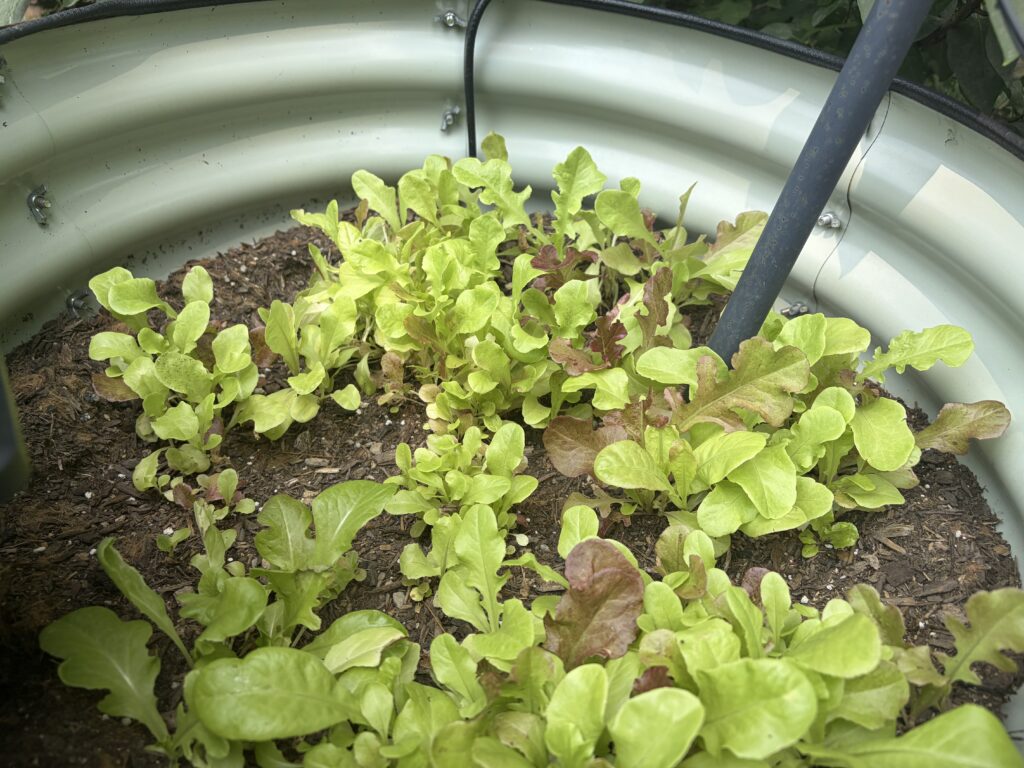
Lettuce is one of the easiest vegetables to grow using succession planting because it matures quickly. Baby greens are often ready in about 25 days, while full heads typically reach harvest in around 60 days. Since new sowings begin producing before older plantings are finished, you can enjoy a continuous harvest throughout the growing season.
Garden Planning: The Secret to Successful Lettuce Succession Planting
Successful succession planting starts before you open a seed packet. Before sowing, consider:
- How much lettuce your household actually eats
- Whether you prefer baby greens or full heads
- How much space you can dedicate to lettuce
- Whether you’ll be growing in spring, fall, or both
A few minutes of planning makes it much easier to decide how much to plant and how often to sow new seed. You can also download our free Garden Planting & Harvest spreadsheet to keep everything on track!
Build Healthy Soil First

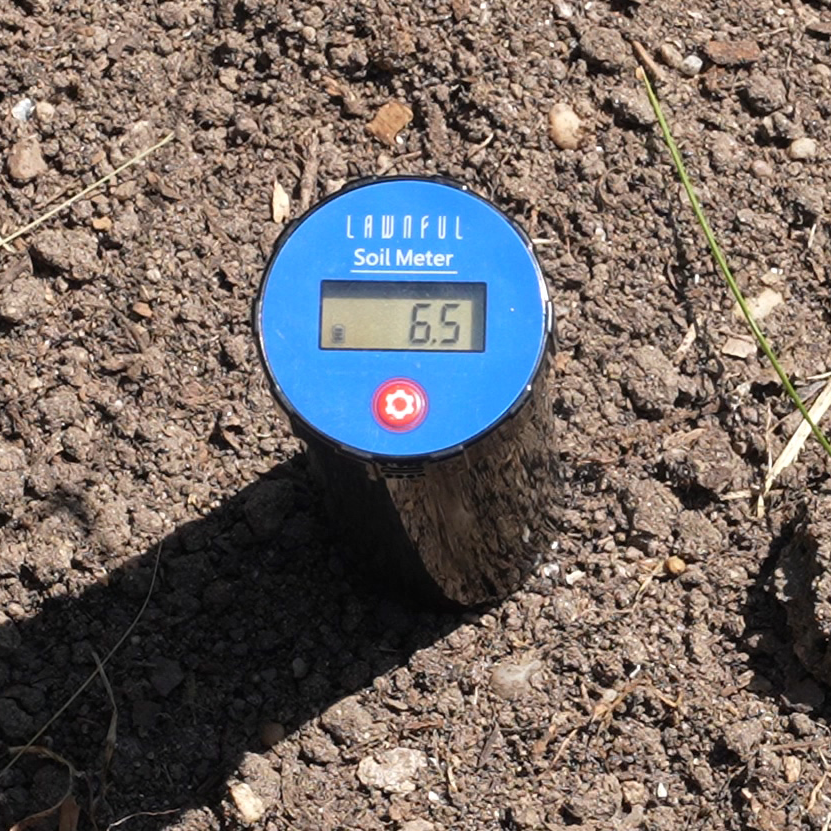
Repeated plantings place ongoing demands on the same garden bed, so healthy soil is essential. Lettuce grows best in rich, well-drained sandy loam or muck soils. Incorporating compost or a balanced fertilizer before planting helps support multiple sowings throughout the season.
How Often Should You Plant Lettuce?
For a continuous harvest, sow a small amount of lettuce every one to two weeks instead of planting an entire bed at once. Gardeners who eat salads frequently may prefer weekly sowings, while every two weeks is enough for most households.
Leaf lettuce can be planted more often than head lettuce because it matures quickly and can be harvested multiple times. As temperatures rise, switch to slower-bolting, heat-tolerant varieties. When cooler weather returns in late summer or early fall, resume regular sowings to keep fresh lettuce coming for months.
The Best Lettuce Varieties for Succession Planting

Choosing the right variety for the season can significantly extend your harvest. While most lettuce thrives in cool weather, some varieties tolerate heat better than others, allowing you to continue harvesting well into summer.
Leaf Lettuce
Leaf lettuce is one of the best choices for succession planting because it grows quickly and can be harvested repeatedly. Rather than removing the entire plant, harvest the outer leaves as needed and allow the center to continue producing.
Romaine Lettuce
Romaine produces crisp, sturdy leaves that are ideal for salads and sandwiches. It’s an excellent choice for spring and fall gardens.
Butterhead Lettuce
Butterhead lettuce is prized for its tender texture and mild, buttery flavor. Like romaine, it performs best during cooler parts of the growing season.
Heat-Tolerant Lettuce Varieties
Warm weather is one of the biggest challenges for lettuce because prolonged heat encourages plants to bolt, sending up flower stalks that cause leaves to become bitter.
If you’re succession planting into late spring and summer, consider growing:
- Concept Romaine
- Ruby Red Leaf Lettuce
- Slowbolt Lettuce
- Summer Bibb
- New Red Fire Lettuce
These varieties won’t prevent bolting indefinitely, but they typically remain productive longer than traditional cool-season varieties.
For fall gardens, cold-hardy cultivars such as Arctic King and Winter Density can extend your harvest later into the season.
How to Germinate Lettuce Seeds Successfully

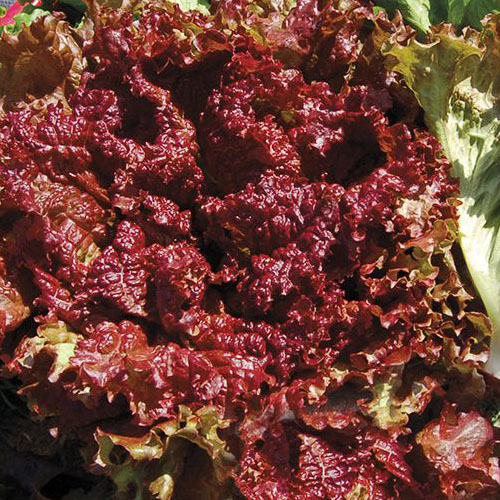
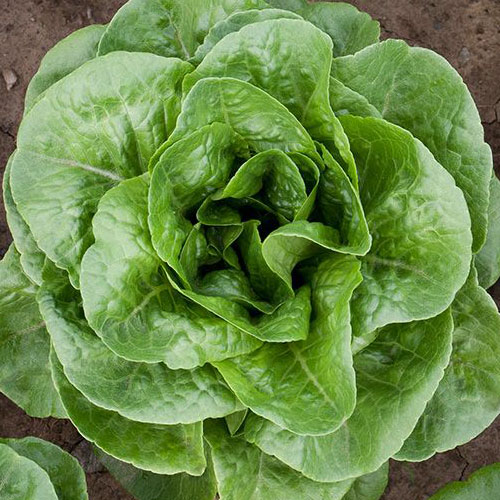

Lettuce seeds germinate at temperatures between 35°F and 80°F (2°C to 27°C), with the best germination occurring between 40°F and 70°F (4°C to 21°C). Under ideal conditions, seedlings usually emerge within 2 to 15 days.
How to Grow Lettuce Through Spring, Summer, and Fall

One of the greatest advantages of succession planting is that it can be adapted throughout the growing season.
Spring
Spring offers ideal growing conditions, with cool temperatures that promote fast growth, reliable germination, and excellent flavor. Begin making regular sowings every one to two weeks.
Summer
As temperatures rise, switch to slow-bolting, heat-tolerant varieties. Although summer conditions can shorten harvests, choosing appropriate varieties helps maintain production. Be sure to keep the soil moist, and consider using a shade cloth to protect your lettuce from the sun.
If you’re sowing during warmer weather, starting seeds indoors and transplanting seedlings later often produces better results than direct sowing. That’s what I’m doing this week while we suffer through another heatwave.
Fall
Fall often provides some of the best lettuce-growing conditions of the year. Cooler temperatures reduce bolting, allowing regular sowings to continue well beyond the traditional spring season.
Season-extension techniques can keep lettuce producing even longer. Row covers, low tunnels, high tunnels, and cold frames all help protect plants from cold weather, allowing harvests to continue well after unprotected lettuce has stopped growing.
How to Harvest Lettuce for Multiple Harvests
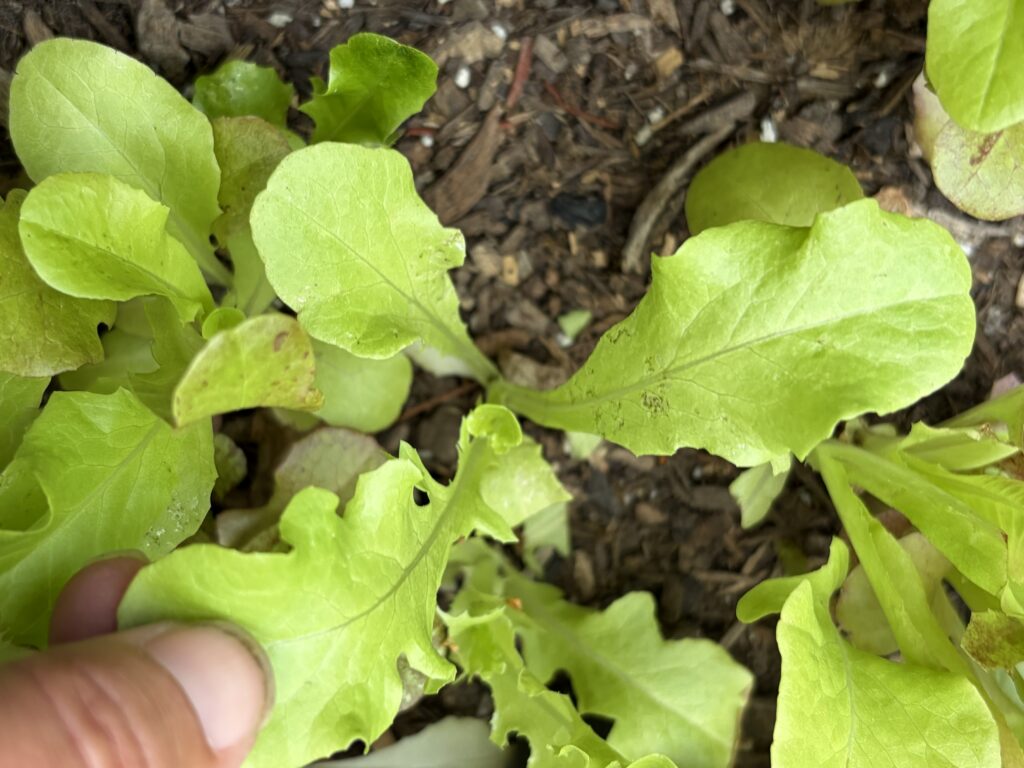
Lettuce can be harvested in several ways, depending on the variety you’re growing.
Harvest Outer Leaves
For loose-leaf varieties, pick the outer leaves first and leave the center intact so the plant continues producing new growth.
Use the Cut-and-Come-Again Method
Another option is to cut the entire plant a few inches above the soil while leaving the growing point intact. Many leaf varieties will produce one to three additional harvests at intervals of about 10 days before quality begins to decline.
Harvest Head Lettuce
Head lettuce should be harvested once it reaches the desired size and firmness. Cut the stem at the base and harvest the entire head.
Common Lettuce Succession Planting Mistakes to Avoid
Even experienced gardeners run into a few common problems when succession planting lettuce.
Planting Too Much at Once
The most common mistake is sowing too much seed at one time. Instead, plant smaller amounts every one to two weeks so your harvests match how quickly your household can use fresh lettuce.
Ignoring Days to Maturity
Pay close attention to days to maturity, especially for fall gardens. As daylight decreases and temperatures cool, lettuce grows more slowly, so later plantings need enough time to mature before growth comes to a standstill.
Growing the Same Variety All Season
Different varieties excel under different conditions. Heat-tolerant cultivars perform better during summer, while cold-hardy varieties help extend harvests into fall.
Letting Lettuce Dry Out
Lettuce produces the best-quality leaves with consistent soil moisture. Repeated drying and rewetting can stress plants, reduce leaf quality, and encourage bolting during warm weather. Aim to provide about 1 inch (2.5 cm) of water per week, adjusting for rainfall, soil type, and temperature. Deep, infrequent watering encourages stronger root growth than frequent light watering.
Final Thoughts: Grow More Lettuce With Less Waste

Succession planting is one of the simplest ways to enjoy fresh lettuce over a much longer season. By sowing small amounts every week or two, choosing varieties suited to changing weather, and taking advantage of both spring and fall growing conditions, you can harvest crisp, homegrown salad greens for months without expanding your garden.
With a little planning, you’ll spend less time dealing with oversized harvests and more time enjoying fresh lettuce exactly when you need it. For more information on salad greens, check out our guide on how to harvest spinach!
Sources
- Basics of Succession Planting, West Virginia University Extension
- Fall Vegetables with Succession Planting, Penn State University Extension
- How to Grow Lettuce, Michigan State University Extension
- Succession Planting, Burpee Seeds

Leave a Reply