
Dill is one of my favorite herbs to grow. It’s relatively easy to care for, fairly drought-tolerant, makes an excellent addition to salads and main dishes, and, of course, is the quintessential pickling seasoning.
When I was a kid, I planted dill in my very first herb garden. I honestly had no idea what I was doing. I sprinkled a packet of seeds, watered them occasionally, and hoped for the best. The dill grew that first year beautifully, flowered, and then quietly dropped thousands of seeds into the garden. The following spring, dill was everywhere. It popped up between stepping stones, in my mother’s flowerbeds, and even in the hayfield next to the garden. That experience taught me two things: dill is incredibly easy to grow, and it can go from producing armfuls of fresh leaves to flowering and setting seed pretty quickly.
Below, I’ll walk you through when and how to harvest fresh dill leaves, flowers, and seeds.
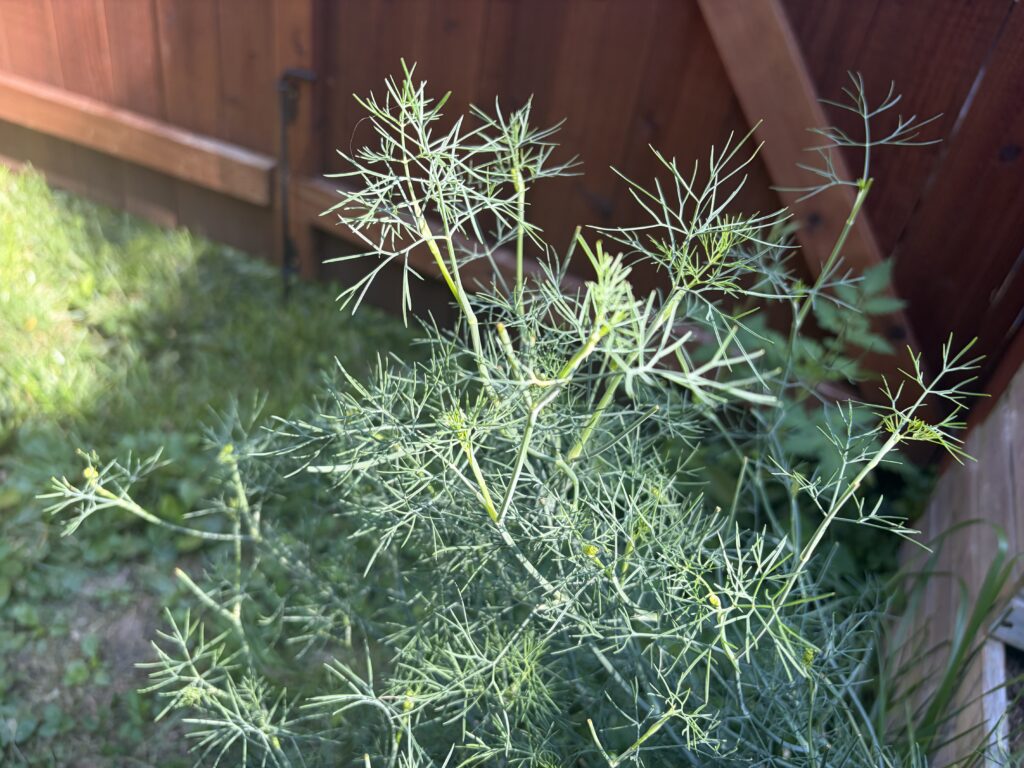
When to Pick Fresh Dill Leaves
One of the reasons I love growing dill is that you don’t have to wait very long before you can start using it. Once the plants are established and putting on healthy growth, you can begin snipping leaves as needed. In fact, regular harvesting encourages the plant to produce more foliage, which is why dill is often considered a “cut-and-come-again” herb, along with other herbs like basil, chamomile, and cilantro. Dill leaves can be harvested throughout the growing season until the flower clusters begin to open. To get the most flavorful leaves, harvest dill in the morning. That’s when the plant’s essential oils are at their highest.
Can You Harvest Bolted Dill Weed?
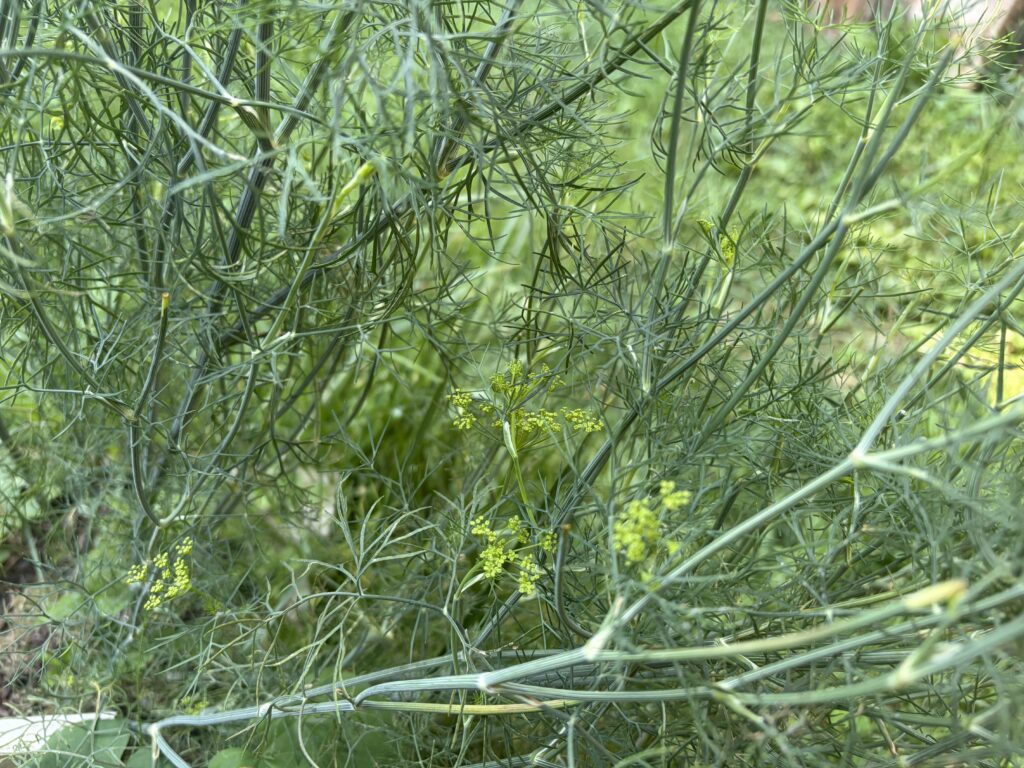
If your goal is to keep harvesting fresh dill leaves, try to stay ahead of bolting. As soon as dill starts producing flowers, it begins shifting its energy away from growing leaves to making seeds. Eventually, flower and seed production mark the end of the plant’s life cycle. Pinching off the flowerheads before they bloom will help the plant keep growing and will result in a bushier plant.
Heat plays a big role in this process. Dill grows best during cooler weather, and hot summer temperatures often trigger bolting, which is when the plant quickly sends up flower stalks. Once this happens, you’ll typically notice slower leaf growth, and many gardeners feel the foliage loses some of its fresh, delicate flavor. You can combat this by selecting a slow-bolting variety of dill, like my personal favorite, Fernleaf dill.
However, if your dill is already bolting, don’t rush to pull it out. Leave it in the garden a little longer, and you can harvest the flowers, collect the seeds, and maybe even feed a few swallowtail caterpillars! Those little guys will kill off plants quickly, though. One year, an army of them wiped out one of my plants overnight!
Tools for Harvesting Dill
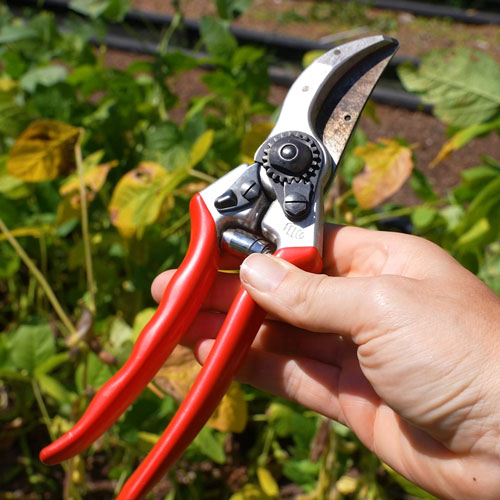


One of the nice things about growing dill is that you don’t need any specialized equipment to harvest it. A simple pair of herb scissors, kitchen shears, or garden snips will get the job done. I like using small herb scissors because they’re easy to maneuver through dill’s feathery foliage, but any clean cutting tool works. I wouldn’t recommend hand-picking dill leaves because of how delicate they are.
How to Harvest Fresh Dill Weed
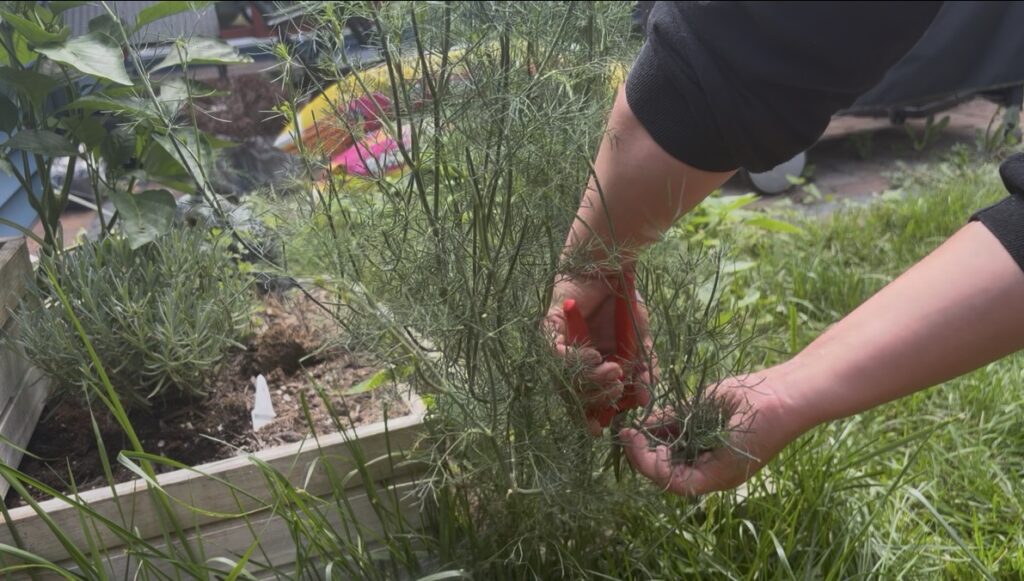
Using clean scissors or herb snips, cut stems just above a leaf or pair of leaves. That will leave enough of the plant behind to continue growing. For the longest harvest season, focus on taking older stems first and leave the younger growth in the center of the plant. Avoid any leaves that are wilted or yellowing. Harvest regularly, but avoid removing so much foliage that the plant struggles to recover. Typically, I find that my dill plants thrive best when I take no more than ⅓ of the plant.
How to Pick Dill Flowers
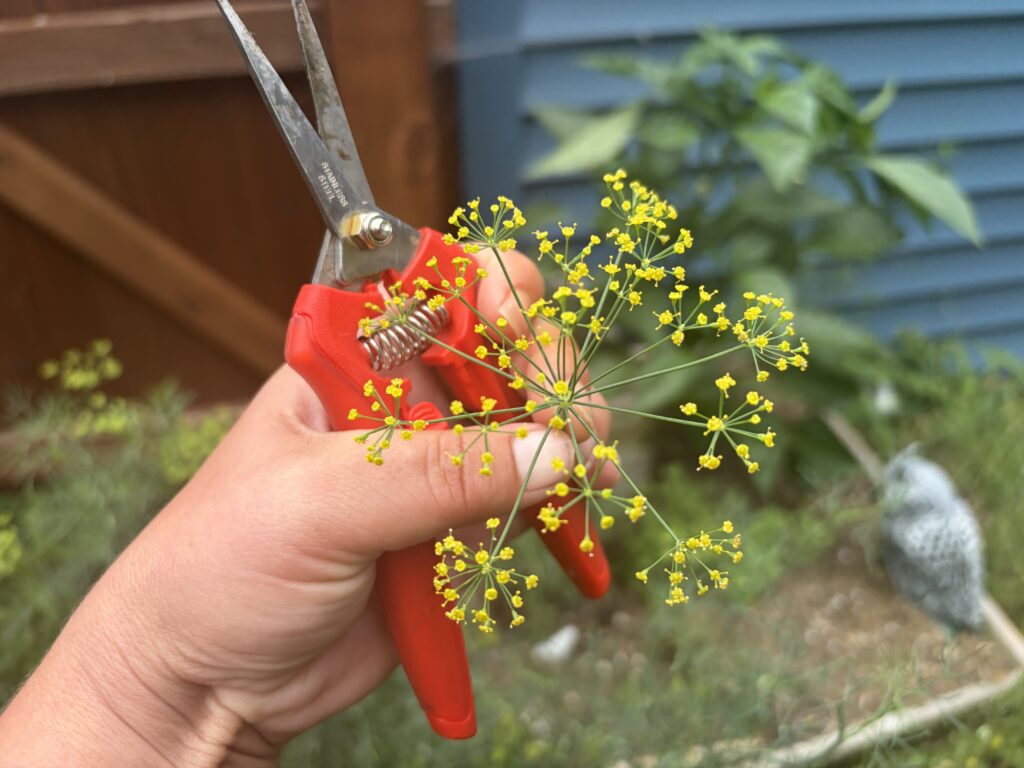
Dill flowers are especially popular for pickling. Whole flower heads can be added to jars of pickled vegetables, and the seeds do not need to be fully mature to be useful. The flowers are also edible. The flower heads can be broken into individual florets and mixed into cheese spreads or omelets for a fresh dill flavor.
How to Collect Dill Seeds
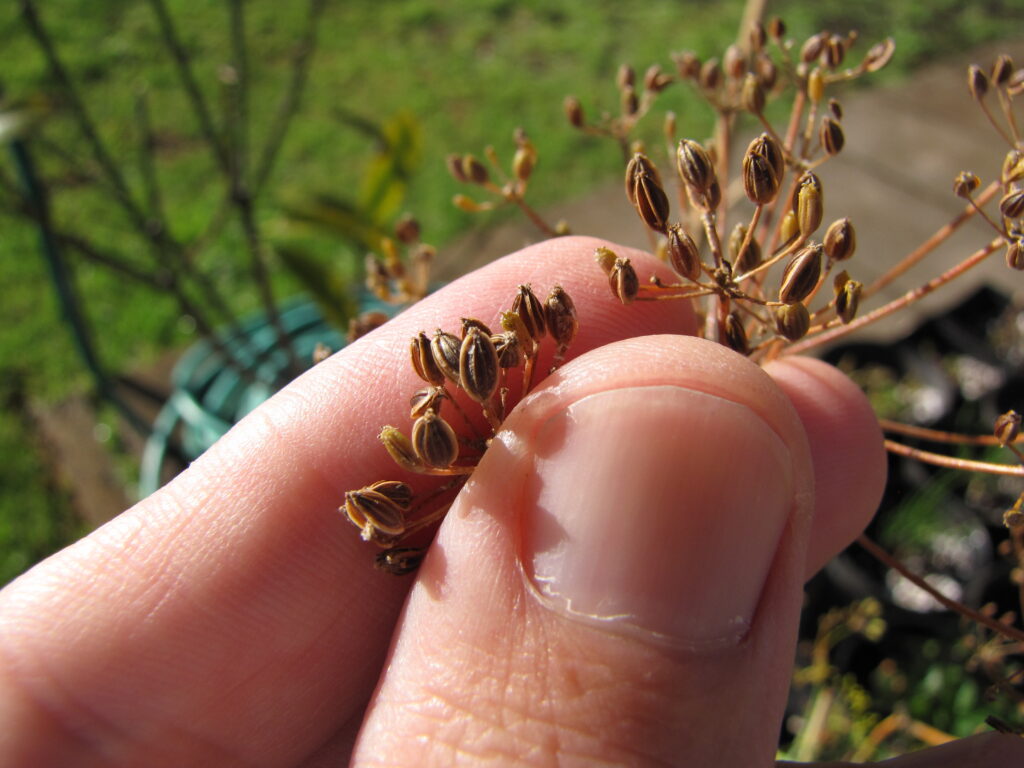
If you’re interested in making pickles, using dill in spice blends, or saving seed for next year’s garden, you’ll want to let a few plants flower and mature. I usually let a few plants go to seed each year so I can save seeds for next season and harvest them for cooking.
Dill seed heads should be harvested just before the seeds fully ripen, when they begin to turn golden-brown. To harvest dill seeds, cut the flower stalk below the seed head once the seeds begin changing color. Hang the stalk upside down in a warm, well-ventilated location to finish drying. Pro-tip: placing a paper bag around the flower head will catch the seeds as they mature and fall naturally from the plant. Once the seeds are dried, store them in a small jar or other airtight container.
How to Harvest Dill for Pickles


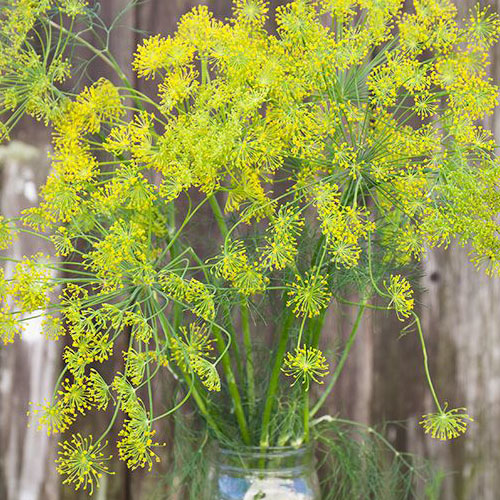
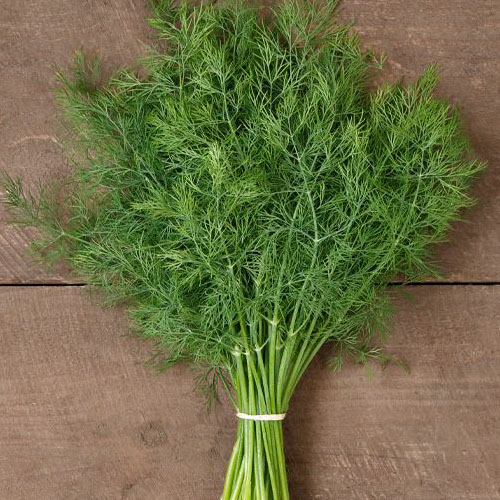
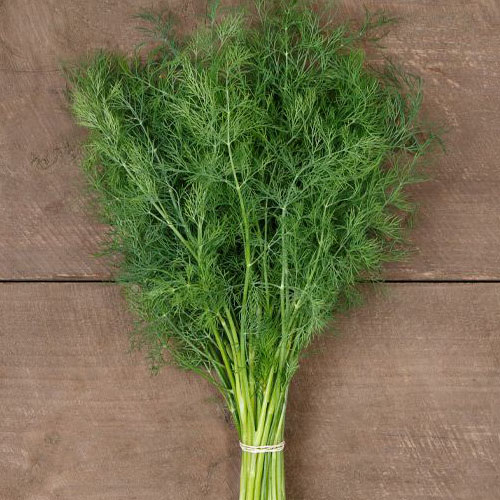
One of the reasons dill is such a staple in the garden is that nearly every part of the plant can be used for pickling. Depending on the recipe, gardeners may use fresh dill weed, flower heads, mature dill seeds, or a combination of all three.
If you’re growing dill specifically for pickles, consider letting a few plants flower while continuing to harvest leaves from the rest. That way, you’ll have fresh foliage, flowers, and seeds available when pickle season arrives.
How to Store Dill After Harvesting
How to Store Fresh Dill Leaves
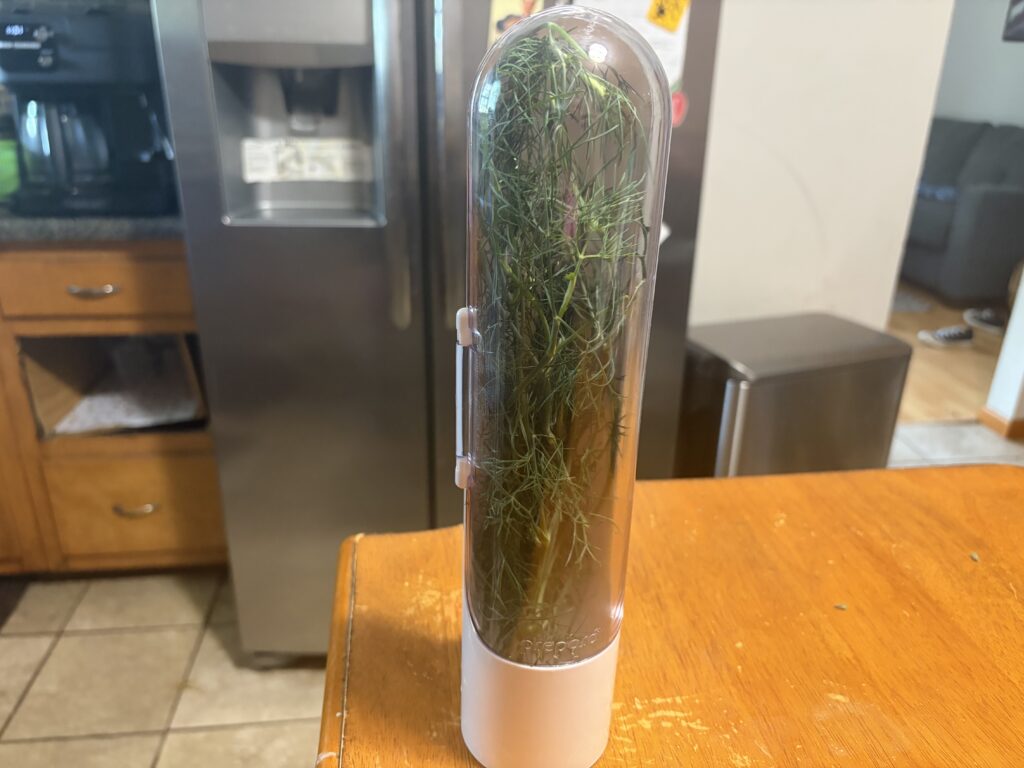
Fresh dill leaves can be stored in the refrigerator for up to a week. You can either wrap them in a damp paper towel and put them inside a plastic bag, or put the cut stems in water. Personally, I like to use these Prepara Herb Savors. They have a little spout that you can use to put water in the container and are the perfect size for keeping in a refrigerator door.
How to Freeze Dill Weed
If you have more dill than you can reasonably use in a week, you can also freeze the leaves, whole or chopped, and put them in a freezer-proof container. You can also put chopped dill in an ice cube tray and cover them with water. Frozen dill leaves will last up to six months in the freezer before they start losing flavor.
How to Dry Dill Leaves and Seeds
Drying the leaves is also an option, but again, the flavor will not be as potent as that of fresh leaves. To dry dill leaves, you can hang dry them, but be sure to keep them out of direct light to help preserve as much flavor as possible. I usually use a dehydrator set between 95-105°F (35-40.5°C), which is the recommended range for drying herbs. If your oven has a dedicated herb or dehydrating setting, that may work as well. However, many ovens can’t maintain a low enough temperature to preserve as much flavor and color as possible.
Once your dill is dry, put it in an airtight container, like a spice jar, and keep it in a cool, dark, and dry place. I love keeping dried dill around to season anything from cucumbers to salmon.
If you’re interested in growing more herbs, be sure to check out some of our other guides, including rosemary, sage, coriander, garlic scapes, and chamomile! If you’re looking for an easy way to stay organized in the garden, the Garden Planting & Harvest Spreadsheet can help you keep track of planting dates, succession sowings, and harvests throughout the season. And for more gardening tips, growing guides, and printable resources, be sure to subscribe to our newsletter.
Sources:
- The Herb Society of America’s Guide to Dill, Herb Society of America
- Growing dill in home gardens, University of Minnesota Extension
- Dill, Anethum graveolens, University of Wisconsin Horticulture Division of Extension
- Let’s Preserve: Drying Herbs, Penn State Extension
- Dill – Key Growing Information, Johnny’s Seeds

.jpg)
Leave a Reply