
If you’ve ever grown chamomile, you’ve probably wondered exactly when to start picking those flowers. Harvesting at the right time makes a big difference in the flavor, aroma, and quality of homemade chamomile tea.
My love of chamomile started long before I grew it. Back in college, I spent too many nights studying for exams, drinking too much caffeine, and then wondering why I couldn’t fall asleep. Chamomile tea became my favorite way to unwind. Years later, I grew my first chamomile plants in a window box on my apartment balcony and quickly discovered that fresh, homegrown chamomile tasted far better than store-bought tea. Now, I grow it in a raised bed alongside lavender and dill, and I harvest the flowers every summer for tea.
In this guide, you’ll learn when chamomile is ready to harvest, how to pick flowers and seeds, the tools that make harvesting easier, and how to dry and store chamomile for long-term use.
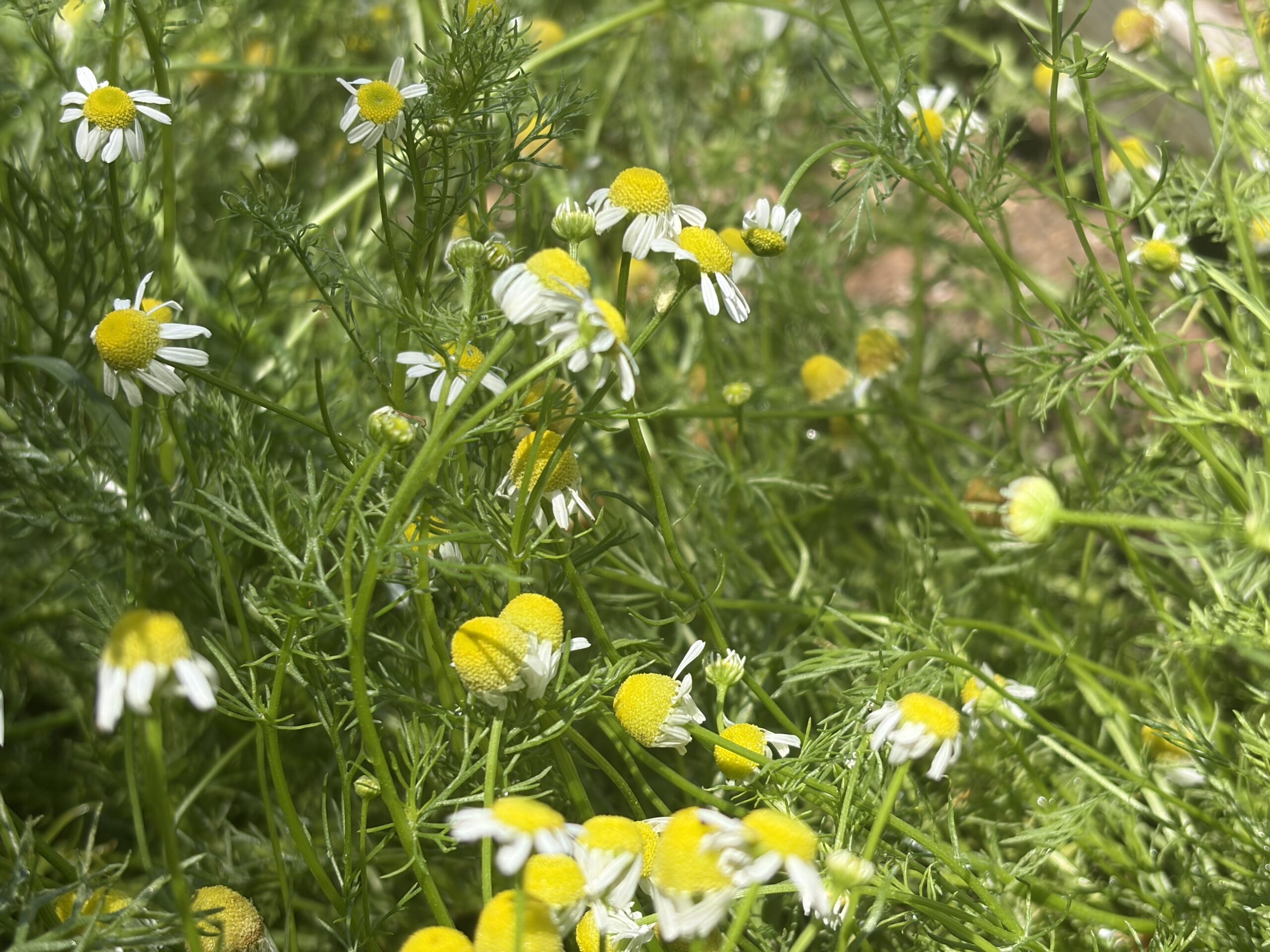
How Do You Know When Chamomile Is Ready to Harvest?
The most common question gardeners ask is also the most important: how do you know when chamomile is ready to harvest? The answer comes down to observation—not the calendar.
Chamomile Days to Harvest
Chamomile typically begins blooming and is ready for harvest about 6–8 weeks after planting, though timing can vary depending on your climate and growing conditions. That said, chamomile doesn’t mature all at once. Instead:
- Flowers bloom in waves
- Some are ready while others are still developing
- You’ll harvest over a period of weeks
Because of this, experienced gardeners rely more on visual cues than strict timelines.
Visual Signs Chamomile Is Ready to Be Picked
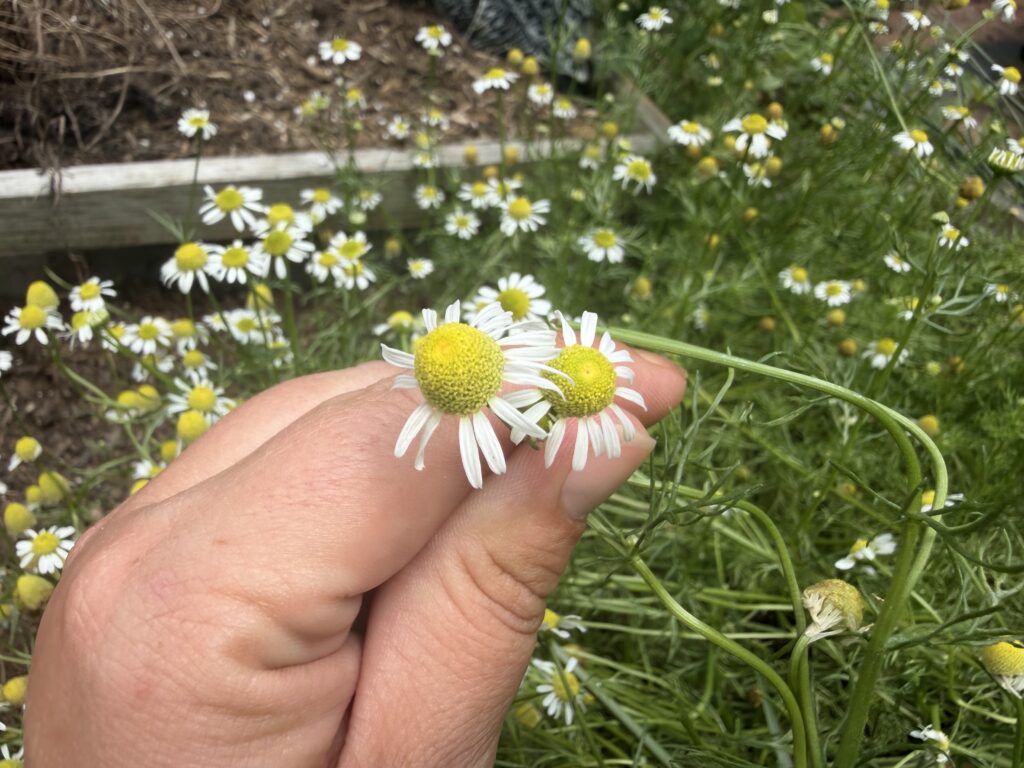
In my experience, chamomile is easiest to harvest when the flowers are at their peak bloom. Some signs to look for include:
- Fully open petals that stretch outward
- Bright yellow centers that are well-developed
- Petals that may just begin to tilt slightly backward
- A fresh, sweet, apple-like fragrance
This is the stage when chamomile contains its highest concentration of essential oils, which are responsible for its flavor and calming properties. If you wait too long and the petals start to droop downward or turn brown, the oils begin to decline, and the quality of your harvest drops. I’ve learned that a little patience pays off. Pick too early, and the flavor isn’t fully developed. Pick too late, and you’re basically collecting yesterday’s news.
When to Harvest Chamomile for the Best Flavor
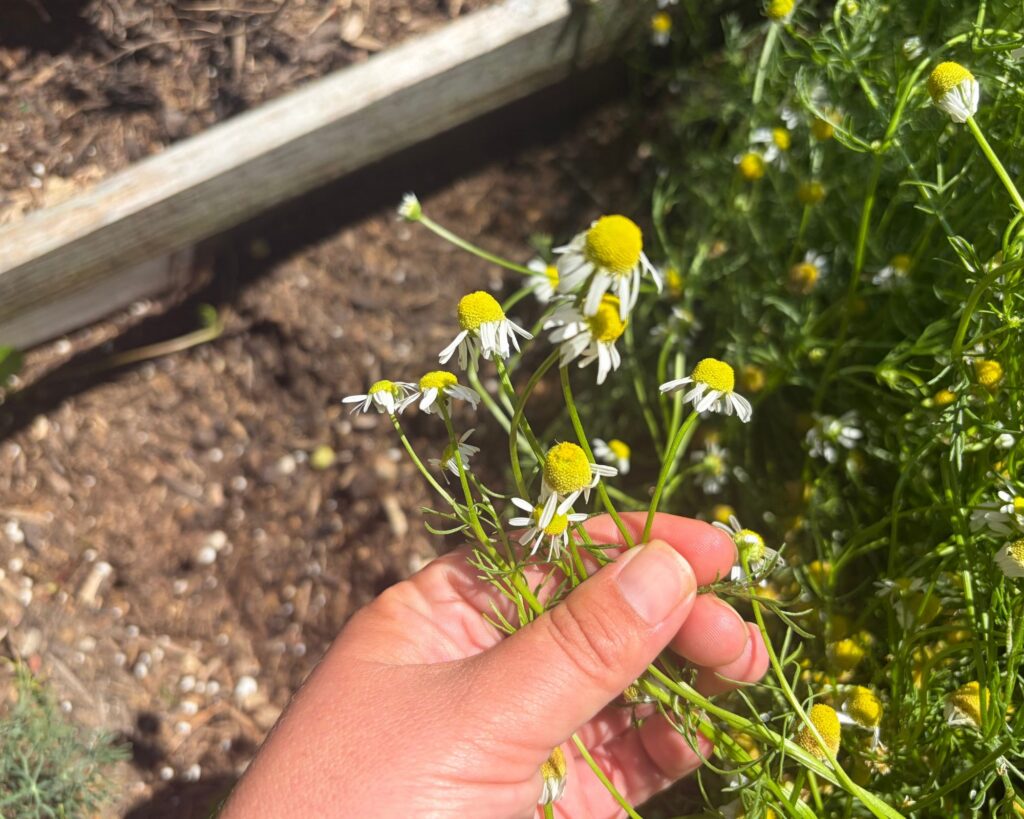
Once you know what ripe chamomile looks like, timing your harvest correctly becomes much easier and more effective.
Best Time of Day to Harvest Chamomile
The best time to harvest chamomile is in the morning, after the dew has evaporated. At this point, the flowers are at their peak essential oil concentration, fully open, and dry enough to prevent mold during the drying process. Harvesting later in the day can cause a loss of those delicate oils, which directly affects your tea’s flavor.
Harvest Season Timeline
Chamomile begins blooming in late spring and continues producing flowers into early summer. During this period, you can harvest every few days as new flowers open. Frequent harvesting encourages the plant to produce more blooms throughout the season.
Because chamomile blooms over an extended period rather than all at once, keeping track of planting dates and harvests can help you stay organized throughout the season. Use our Garden Planting & Harvest Spreadsheet to track planting dates, estimate harvest windows, and record your harvests.
How to Harvest Chamomile Flowers
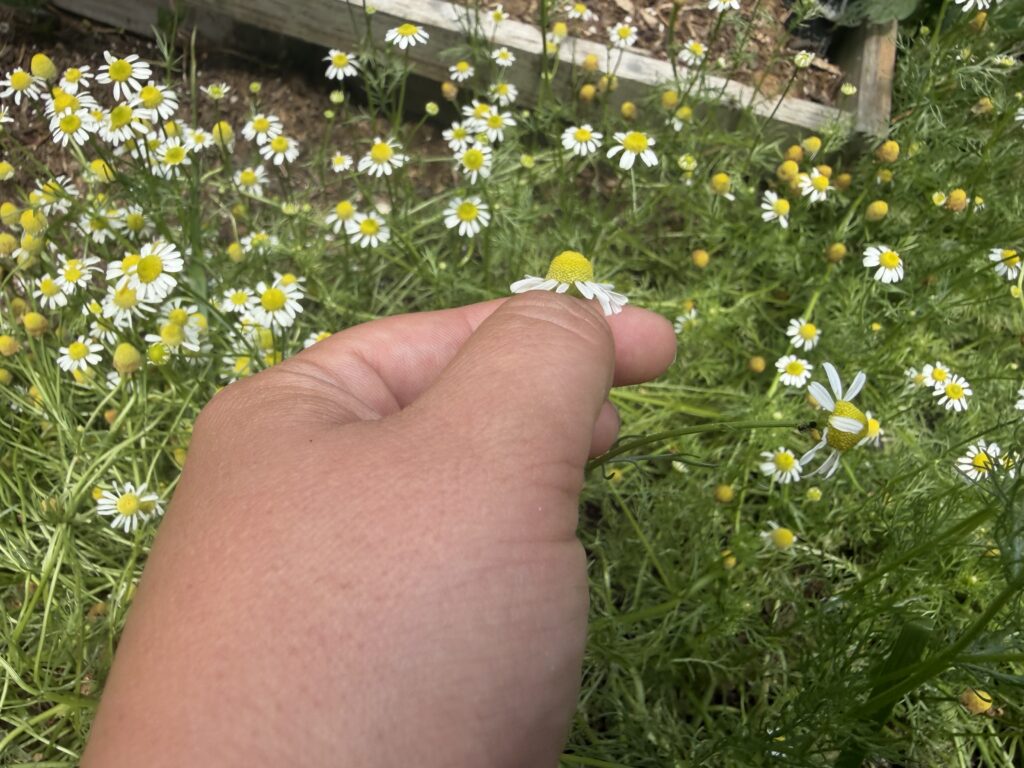
Once the flowers are ready, harvesting chamomile is surprisingly easy. A few simple techniques can help you get cleaner harvests and better-quality dried flowers.
Step-by-Step Flower Harvesting Method
- Identify fully open flowers
- Gently pinch or snip the flower head just below the bloom
- Avoid pulling off too much stem
- Place flowers in a basket or container
Chamomile shrinks significantly when dried, so you’ll likely need to harvest more than you expect. As a general rule, fresh flowers dry down to about ⅓ of their original volume. For example, 3 cups of fresh flowers typically yield about 1 cup of dried chamomile.
How Often to Harvest Chamomile
Chamomile is what gardeners call a cut-and-come-again herb. This means that the more often you harvest, the more flowers your plant will produce because removing mature blooms encourages new ones to form.
For best results, you should harvest flowers every 2–3 days during peak bloom. Focus on the newest, freshest flowers.
Chamomile Harvesting Tools
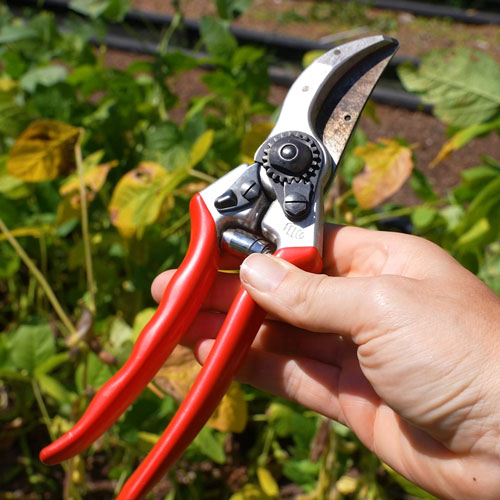

While hand-harvesting is the most common method for picking chamomile flowers, there are tools that can speed up the process, especially if you’re working with a larger patch of chamomile.
What Is a Chamomile Rake?
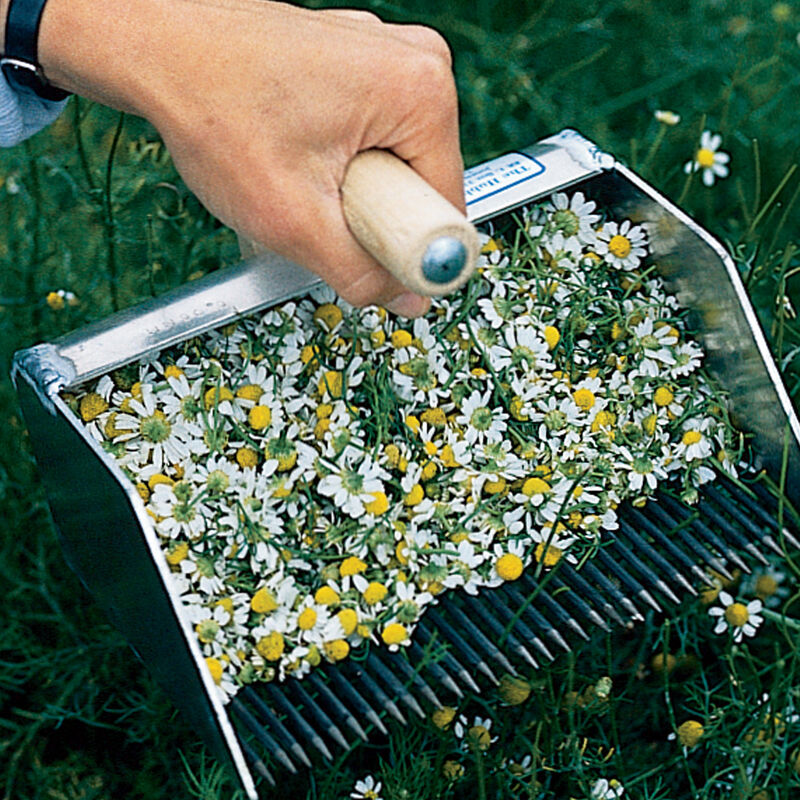
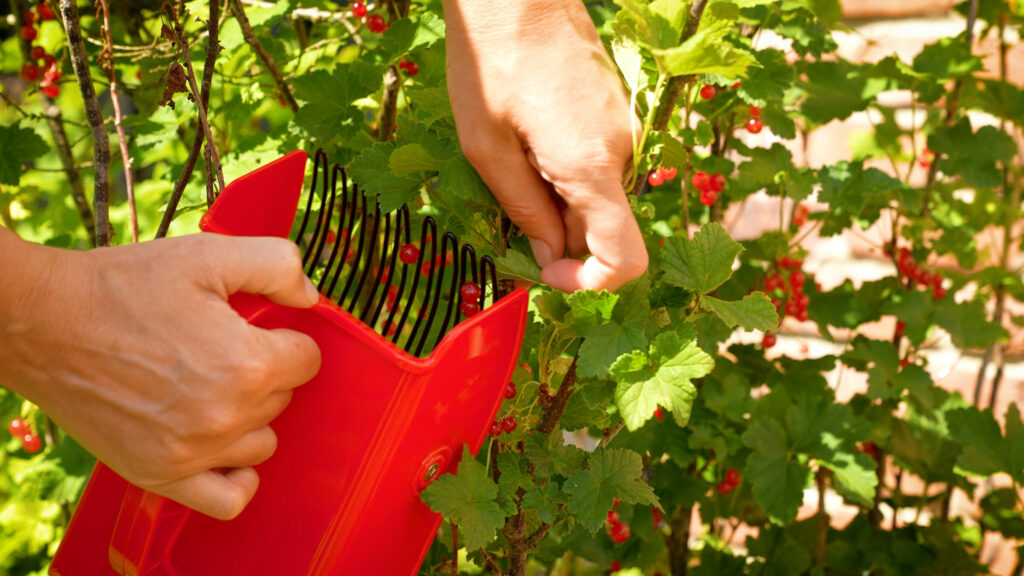
If you’re harvesting a large patch of chamomile, a chamomile rake can save a lot of time. These simple tools are designed to collect flower heads while leaving most of the stems behind. You can also use a berry rake if you have one on hand.
Other Tools You Can Use
For most home gardeners, simple tools work just as well. Scissors, herb snips, and small pruners are useful for precise harvesting. However, hand-picking remains the easiest way to select only the freshest blooms.
How to Harvest Chamomile Seeds
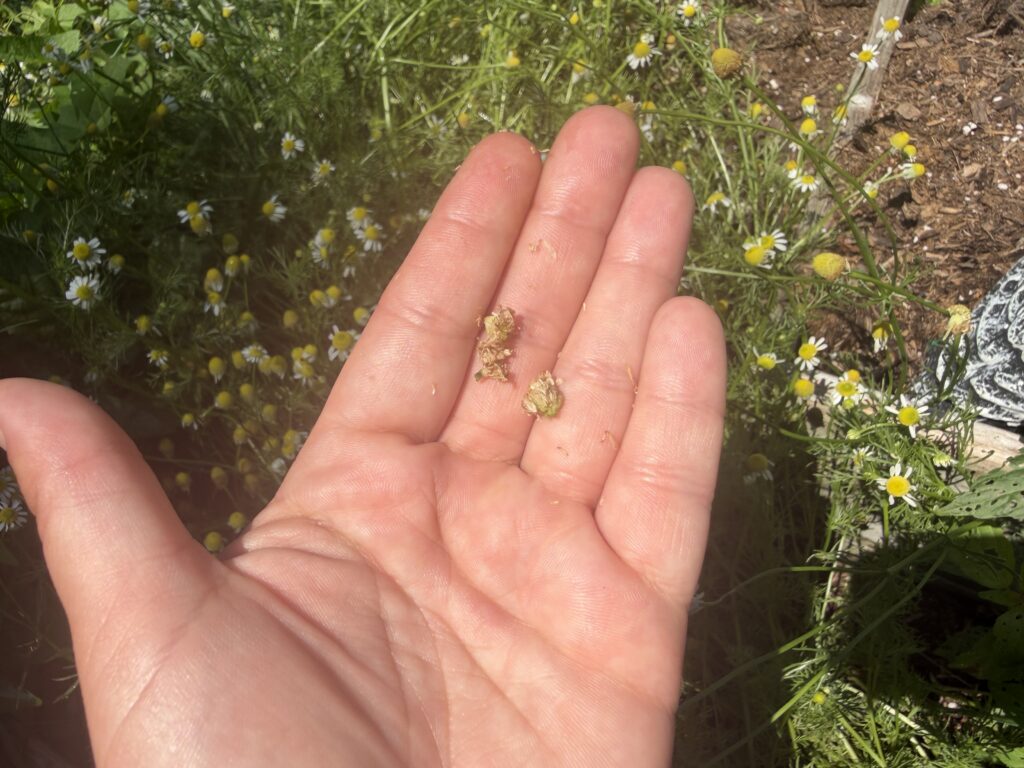
I like saving chamomile seeds each year because it gives me plenty to replant, while letting a few plants self-seed wherever they want. This year’s chamomile patch is actually the result of one of those happy gardening accidents. Last summer, life got busy, and I didn’t harvest all the flowers before they went to seed. By spring, little chamomile seedlings were popping up all over the bed. Sometimes the garden takes care of the planning for you.
When Are Chamomile Seeds Ready to Harvest
Chamomile seeds are ready when:
- The flower heads dry out completely on the plant
- Petals fall away or curl inward
- The center turns brown and brittle
At this stage, the plant has moved beyond peak bloom and is beginning its seed cycle.
How to Collect Chamomile Seeds
To collect chamomile seeds, wait until the flowers are completely dry. Then, snip or pinch off the dried flower heads and place them in a bag or container. Gently crush or rub the flower heads to release the seeds from the center. You can store the seeds or scatter them in planters or on the ground when it is time for planting season.
How to Dry Chamomile After Harvest
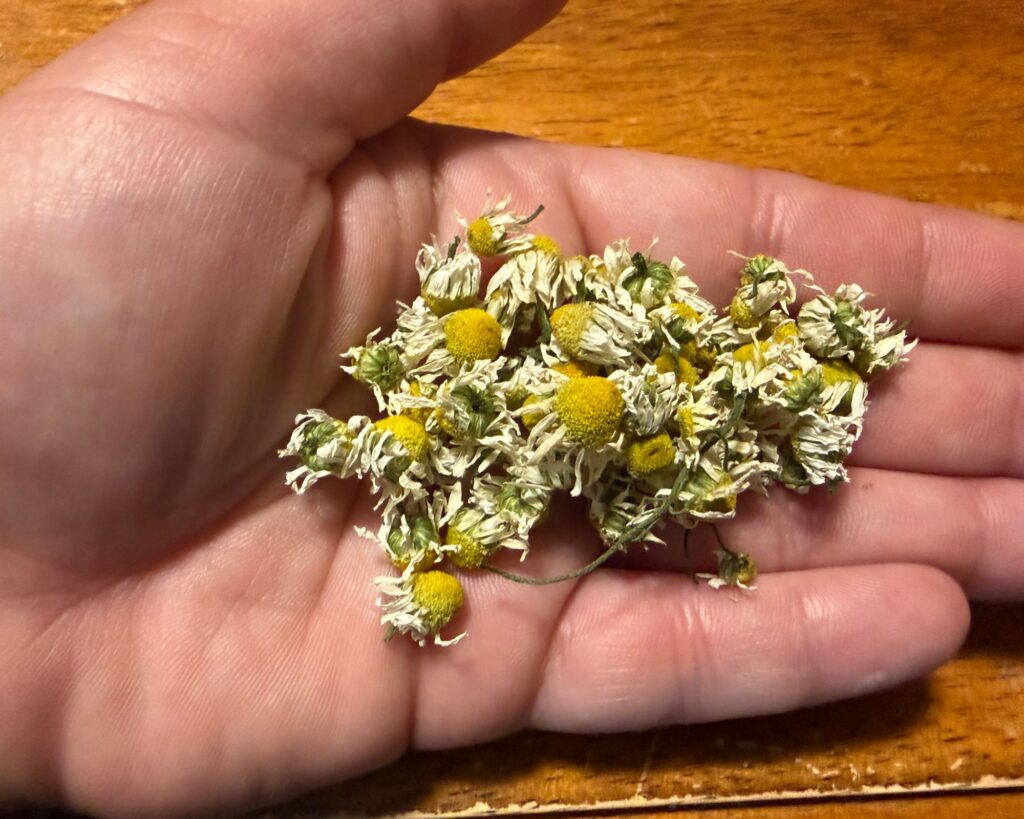
While fresh chamomile flowers make a lovely tea, I usually dry most of my harvest so I can enjoy it long after the growing season is over.
Air Drying Method
Air drying is the easiest and most traditional method. Spread the flowers out in a single layer on a tray, screen, or basket. Keep it in a warm, dry, well-ventilated area. Proper airflow is critical to prevent mold and preserve flavor. Avoid placing the flowers in direct sunlight. Airdrying typically takes about 1–2 weeks, depending on humidity.
Dehydrator Method
When I need chamomile dried quickly, I use a dehydrator. I spread the flowers in a single layer and set the temperature between 95–110°F (35–43°C). The low heat preserves the essential oils that make chamomile tea so fragrant and flavorful. Most ovens simply can’t maintain temperatures that low, so they’re more likely to dry out the flowers than gently preserve them.
How to Tell When Chamomile Is Fully Dry
Your chamomile is fully dry and ready to be stored when the petals are crisp and crumbly, the center of the flowerhead breaks apart easily, and no moisture remains. If any part of the flower is still soft, make sure to continue the drying process to prevent mold.
Chamomile Storage Options
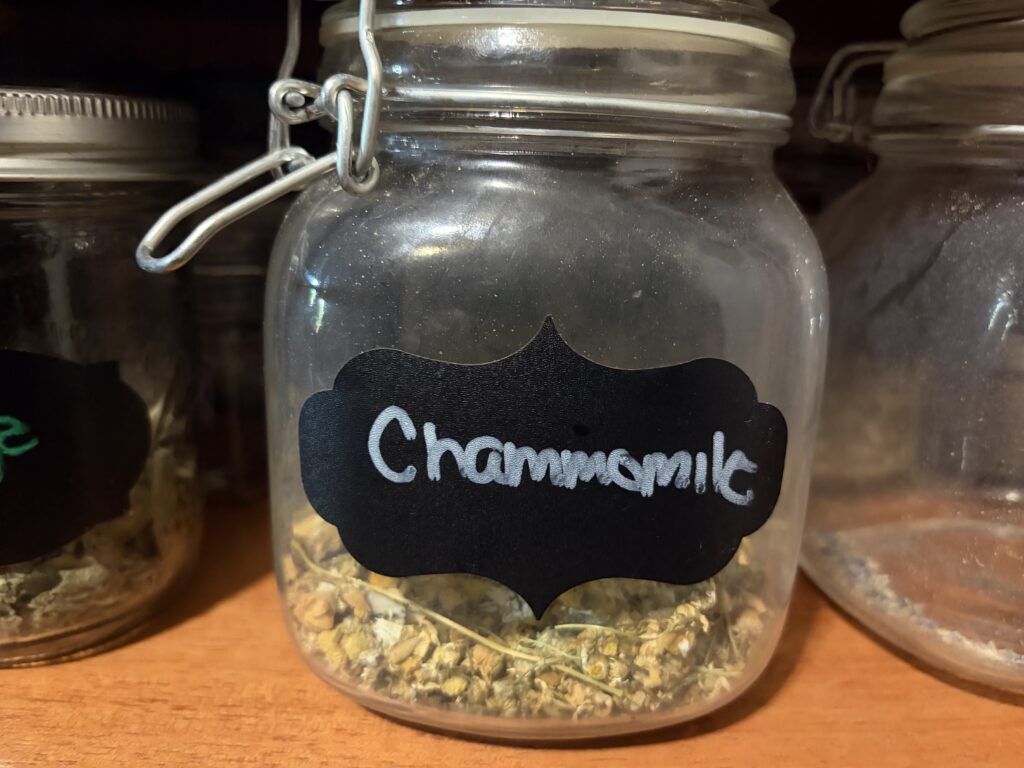
To store dried chamomile for long-term use, make sure you store it in an airtight container in a cool, dark place away from moisture and sunlight. Properly stored chamomile can last several months while retaining peak flavor and potency.
Common Chamomile Harvest Mistakes to Avoid
Even though chamomile is easy to harvest, a few common mistakes can reduce the quality of your crop.
- Early harvesting – Harvesting too early means the flowers haven’t reached their peak flavor and essential oil content.
- Late harvesting – Harvesting too late can result in overmature blooms with diminished potency.
- Wet flowers – Picking flowers while they’re wet increases drying time and raises the risk of mold.
- Bruising flowers – Rough handling can also bruise the flowers, reducing their aroma, flavor, and overall quality.
Harvesting chamomile is one of the easiest and most rewarding tasks in my herb garden. Once you learn the signs of a flower that’s ready to pick, you’ll be able to harvest fresh blooms every few days throughout the season.
If you’d like to learn more about growing herbs, check out the guides on sage, rosemary, coriander, and garlic scapes.
Sources
- German Chamomile, Matricaria chamomilla, Wisconsin Horticulture Division of Extension
- Good Growing Ep. 201 Chamomile: Discover 2025’s herb of the year, University of Illinois Extension
- Harvesting and Preserving Herbs for the Home Gardener, NC State Extension
- How to Grow Chamomile, Bonnie Plants

Leave a Reply