
When I first started growing potatoes, I skipped curing entirely. I harvested them, brushed off the dirt, and put them straight into storage. A few weeks later, I discovered they rotted. If you’ve spent all season growing potatoes, don’t make the same mistake!
In this guide, I’ll cover how to cure potatoes, why it matters, how long to cure potatoes, and several different curing methods, including some that work great and some that are commonly recommended but aren’t ideal.
Should You Store Fresh-Dug Potatoes?
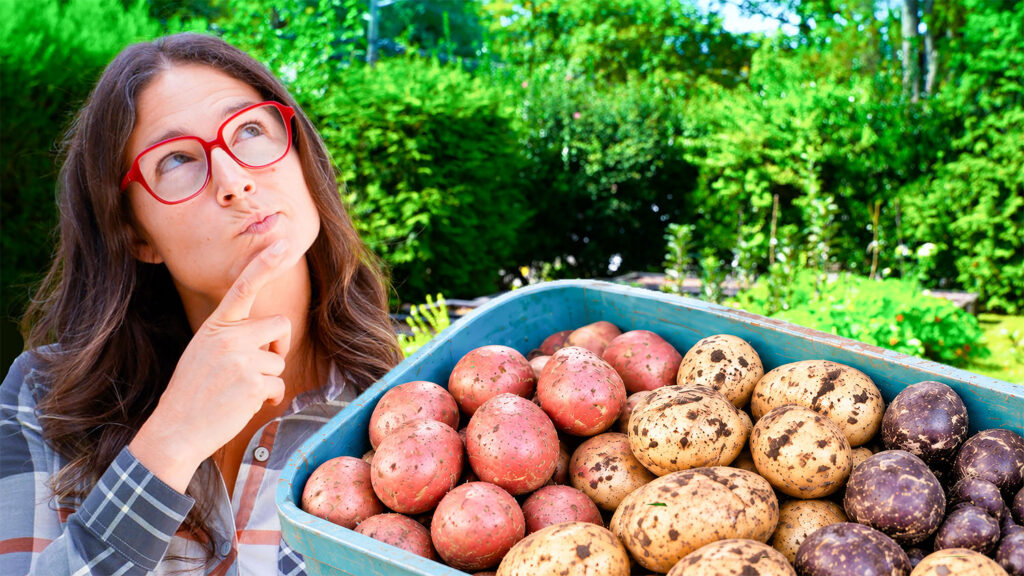
The short answer? No! You shouldn’t store fresh-dug potatoes. That’s what I did and failed spectacularly! Freshly harvested potatoes aren’t ready for long-term storage. In fact, they will only keep for about 2–4 weeks. Right after harvest, potato skins are relatively thin, and any nicks, scratches, or cuts are still vulnerable to disease and rot. One rotting potato can quickly affect the others nearby. Instead, take a little extra time to cure the potatoes first.If you want to eat your fresh potatoes soon, you can store them in a well-ventilated container like a mesh bag and keep them in a dark place like your pantry.
Curing Potatoes: Why It’s Important
Think of curing potatoes the same way you might cure garlic after harvest. The goal isn’t just drying them out. It helps them be less likely to mold. It helps skins toughen and minor wounds heal before storage. Skip this step and potatoes lose moisture faster and become much more likely to rot. Cure them properly, and they can last for months.
Do You Wash Potatoes After Harvesting?

If you haven’t harvested your potatoes yet, we have a couple of other potato videos that cover when to harvest and how to harvest.
If your potatoes are already out of the ground and you’re wondering whether or not you should wash them, good news! You can skip this step. Don’t wash them. Simply brush off the loose soil and leave the potatoes unwashed during the curing process. If the potatoes are extremely muddy, allow the mud to dry and brush it off later.
Humidity for Potato Curing
Getting the environment right is the key to successful potato curing. Humidity is especially important because freshly harvested potatoes naturally lose moisture. If the air is too dry, they can shrivel up. Aim for about 85–90% humidity or higher during the curing process. At the same time, you don’t want wet potatoes or condensation dripping onto them. The goal is humid air, not wet potatoes.
You can measure your humidity with a humidity meter. My favorite is the TempPro TempAir Digital Hygrometer Indoor Thermometer, which I use to measure both temperature and humidity.
Where to Cure Potatoes

The best place to cure potatoes is anywhere that can provide high humidity, darkness, temperatures between 45–60°F (7–15°C), and good airflow. For many gardeners, a basement is the easiest option. That’s where I cure mine. Root cellars, spare rooms, enclosed porches, and sheds can also work as long as the potatoes stay dark and don’t get too hot or dry.
Potato Curing Methods
Not every gardener has access to the same space, so let’s look at the most common potato curing methods, including which ones work well and which ones I’d skip.
Curing Potatoes Indoors
For most gardeners, curing potatoes indoors is the easiest and most reliable option. Spread them out so air can circulate and avoid piling them too deeply. Good airflow helps prevent rot.
Potato Curing Box

You don’t need anything special to cure potatoes, but a box, tray, or crate makes the process easier. My favorite setup is a stack of old bread trays that I, believe it or not, found on the side of the road. They’re easy to move, stack neatly, and provide excellent airflow around the potatoes.
Curing Potatoes in the Fridge
This one is a little controversial. Generally speaking, I don’t recommend curing potatoes in your kitchen refrigerator. Most refrigerators are set around 35–40°F (1–4°C), which is colder than ideal for the curing process. At those temperatures, potatoes aren’t going to heal and toughen their skins as effectively as they would in a slightly warmer environment. The cold will also make the starch in the potatoes turn into sugars, which means they will taste sweeter.
If your only option is a refrigerator, it may be worth experimenting with a spare fridge that can be set to a minimum of 45°F (7.2°C). Otherwise, I’d stick with one of the methods above.
How to Cure Potatoes In Summer
Curing potatoes in summer can be a little tricky because heat is the enemy. If temperatures get too high, potatoes can spoil instead of curing properly. The key is finding the coolest, darkest, most humid spot you have available. I would not recommend curing potatoes outdoors in the summer.
Curing Potatoes Outside in Trenches

Curing potatoes outside in trenches is an older method that some gardeners still use, especially if they don’t have access to a basement or root cellar. The idea is simple: place the potatoes in a shallow trench and cover them enough to protect them from sunlight while allowing them to cure in the ground.
The downside is that you’re at the mercy of the weather. Heavy rain can create rot issues, while hot, dry conditions can cause potatoes to lose moisture too quickly. Rodents and other critters can also become a problem.
How Long to Cure Potatoes
Most potatoes need about 1–2 weeks to cure before they’re ready for long-term storage. Rather than watching the calendar, pay attention to the potatoes themselves. A properly cured potato should be much less likely to scuff or peel when you rub it with your thumb.

How to Cure Potatoes Before Planting
Curing potatoes before planting is different from curing them after harvest. When gardeners talk about curing potatoes before planting, they’re usually referring to cut seed potatoes. The goal is to allow the freshly cut surfaces to heal before the seed pieces go into the ground.
This is not the same thing as chitting—also called greensprouting—which is when you warm the cut and cured seed potatoes to about 70°F (21°C) and allow the tubers to presprout. This is usually done about six weeks before planting time.


To cure potatoes for planting, you’ll need cut seed potatoes; keep them at about 38–40°F (3–4°C) with 85–95% humidity. Good airflow is important, but don’t pile the seed pieces too deeply or use so much airflow that they dry out. How Long to Cure Potatoes Before Planting
Plan on 6 to 10 days for cut seed potatoes to cure properly. After that, allow them to warm up before planting. Rewarming them for a couple of days before planting can help get sprout growth going again and reduce condensation on the seed pieces.
How Do You Store Potatoes from the Garden?
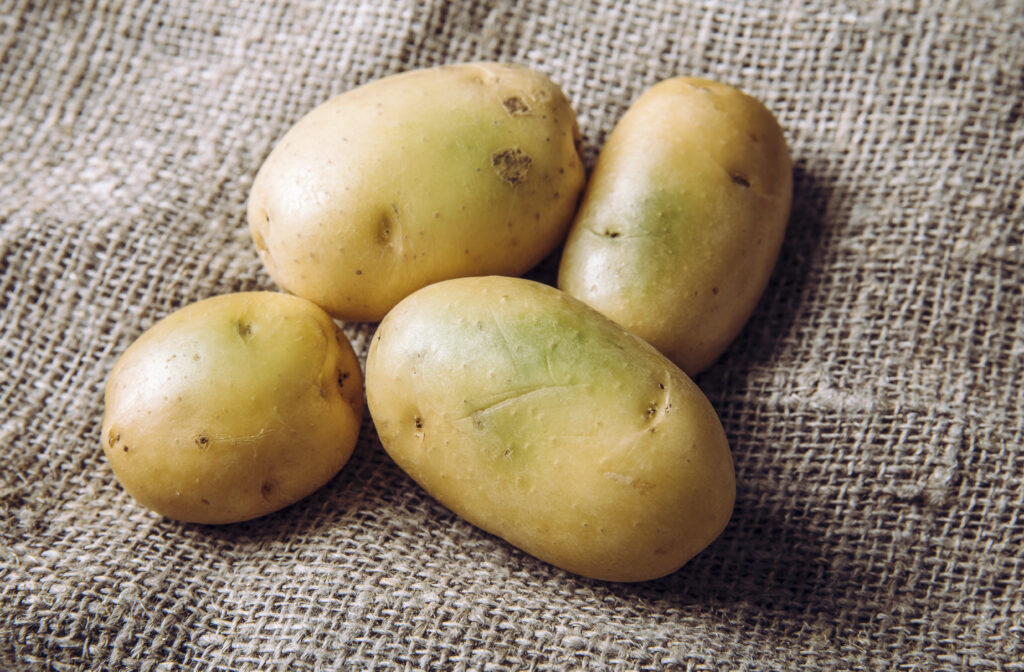
Once your potatoes are cured, move them to a cool, dark, humid location for storage. Aim for temperatures around 40-45°F (4-7°C) and humidity around 90%. A basement, root cellar, cool garage, or even a second refrigerator can work. Just keep them out of the light. Potatoes exposed to light will turn green and won’t store as well. Check on them occasionally throughout the winter and remove any soft or rotting potatoes before they affect the rest of the batch.
How Long Do Cured Potatoes Last?
Some potatoes store better than others. Seed catalogs typically label potatoes that do well in long-term storage as “good storers” or “good for storage.” Thin-skinned varieties, like many red potatoes, tend to be shorter-term keepers, while russets, like the one I planted this year, Caribou russet potatoes from High Mowing Seeds, are usually storage champions.
With proper curing and storage, late-season potatoes can last 7–8 months. Once temperatures rise above 46°F (8°C), you’re more likely to see sprouting, shriveling, and a shorter storage life.
Do you cure your potatoes before storage, or do you have another method that’s worked well for you? Let us know in the comments what your potato-curing routine looks like!
Sources
- Potatoes: Harvesting & Storage, University of Nebraska Extension
- Bulletin #2412, Potato Facts: Selecting, Cutting and Handling Potato Seed, University of Maine Extension
- Relative Humidity: A Key to Successful Potato Storage, University of Wisconsin Extension

Leave a Reply